30 Oct 2026
Decoding Weekly Engagement Patterns in Virtual Wagering Ecosystems
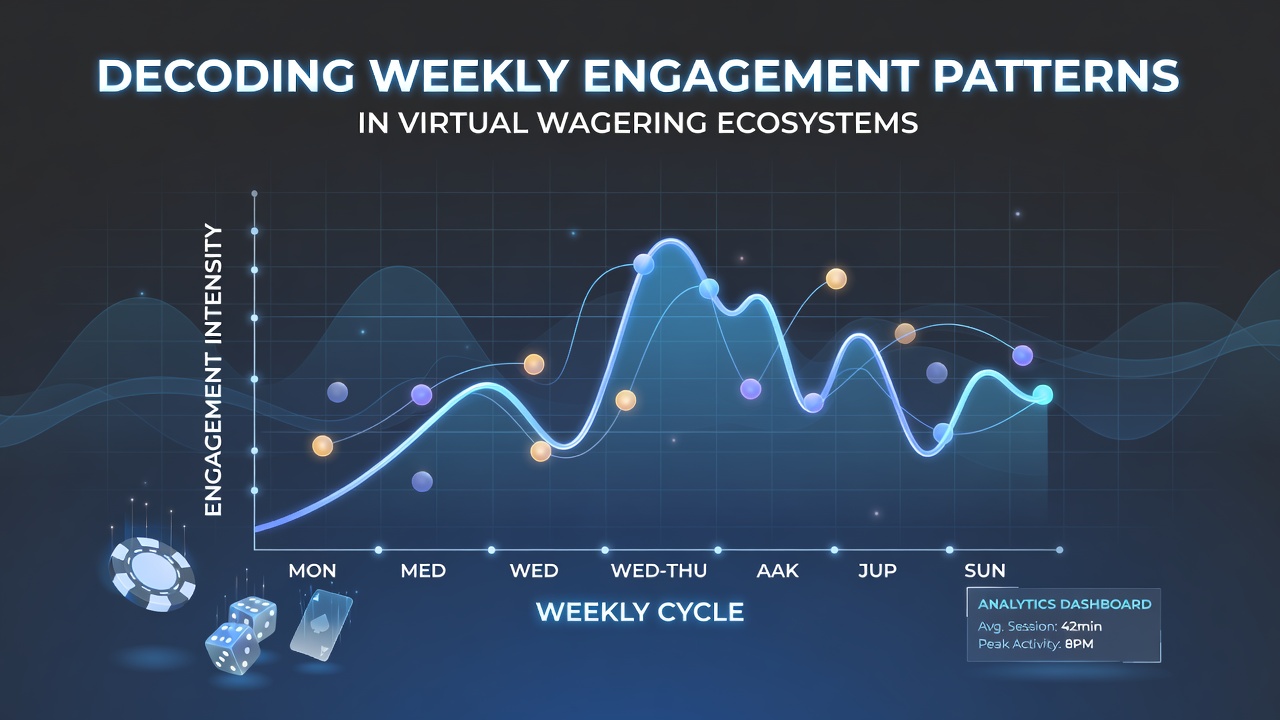
Virtual wagering ecosystems display distinct weekly engagement rhythms that researchers track through platform analytics and aggregated user data. These patterns emerge from millions of transactions logged across mobile and desktop interfaces where bettors place wagers on sports events, casino games, and live dealer sessions. Data from October 2026 shows elevated activity levels during midweek evenings in multiple jurisdictions, while weekend peaks align with major league schedules and promotional events.
Analysts at regulatory bodies compile these metrics to understand how external factors shape participation rates. For instance, figures released by the New Jersey Division of Gaming Enforcement indicate that handle volumes rise noticeably on Thursdays and Fridays as users respond to upcoming weekend fixtures. Tuesday sessions often register lower engagement, a trend attributed to post-payday resets and routine work commitments that limit discretionary time.
Daily Fluctuations Within Weekly Cycles
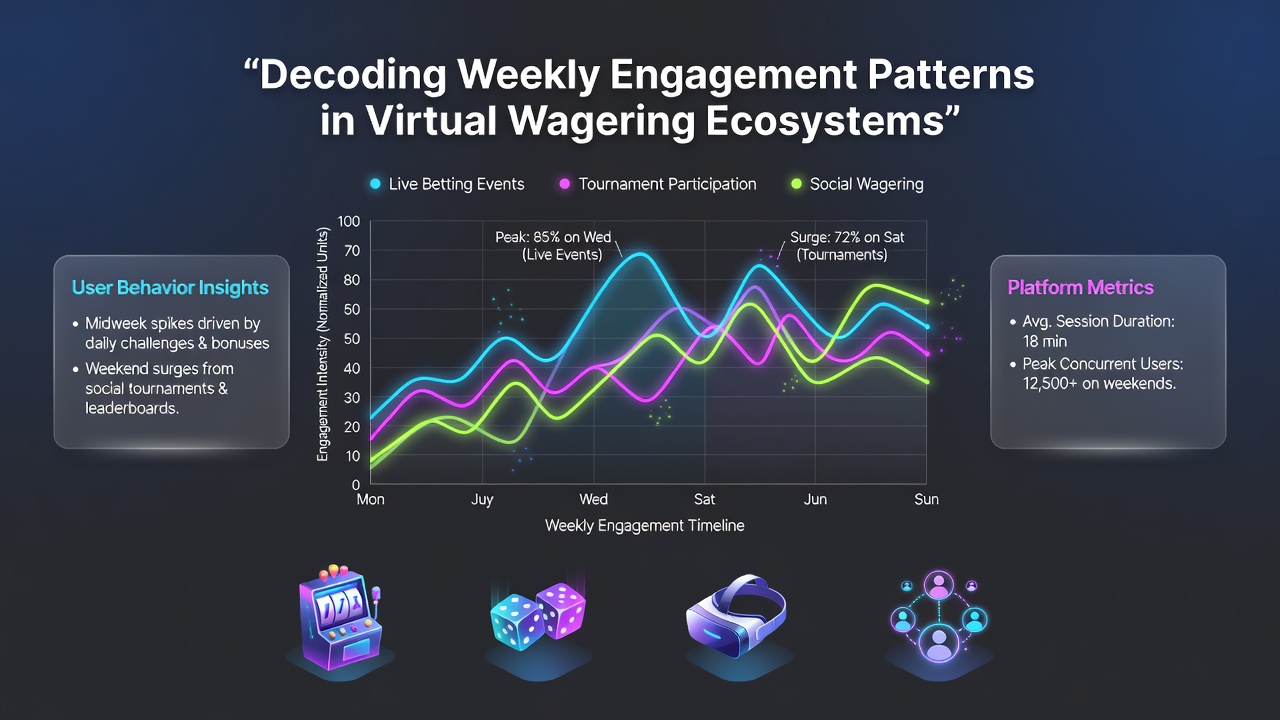
Engagement does not remain uniform across seven days. Morning hours on Mondays through Wednesdays typically record the lowest traffic volumes, whereas late afternoon and evening windows see sustained increases. Observers note that Thursday evenings frequently mark the start of accelerated activity as promotional bonuses activate and sports betting markets open for the weekend slate. This shift creates a measurable uptick that continues through Sunday nights when live event outcomes drive final settlement volumes.
Platform operators segment user cohorts to isolate these behaviors. Recreational participants show stronger weekend spikes, while more frequent users maintain steadier midweek presence. Researchers cross-reference these segments with time-zone distributions, revealing that East Coast users contribute heavier evening traffic compared with West Coast counterparts who extend activity later into Pacific hours.
External Influences on Participation Rhythms
Seasonal sports calendars exert clear pressure on weekly patterns. October 2026 data captured heightened engagement during overlapping football, basketball, and hockey seasons, with Thursday night games producing concentrated bursts between 8 p.m. and midnight Eastern Time. Weather disruptions or schedule changes can compress or extend these windows, prompting operators to adjust marketing pushes accordingly.
Economic indicators also correlate with engagement. Payroll release dates in the first and third weeks of each month align with modest but consistent increases in deposit activity. Studies published by the University of Nevada, Las Vegas Gaming Research Center demonstrate that these deposit surges translate into elevated handle across virtual platforms within 48 hours of funds availability.
Regional Variations Across Jurisdictions
Geographic differences appear when data sets from separate regulatory markets are compared. Markets with established mobile frameworks show smoother distribution of daily activity, whereas newer jurisdictions display sharper weekend concentrations. Canadian provinces operating under the Alcohol and Gaming Commission of Ontario report steadier Tuesday and Wednesday volumes than some U.S. states where mobile options launched more recently.
European markets governed by frameworks such as the Malta Gaming Authority exhibit distinct midweek patterns tied to domestic football leagues. These variations underscore how local event calendars and payment processing schedules shape the broader weekly rhythm observed across virtual ecosystems.
Technological and Promotional Drivers
Push notifications and in-app alerts influence when users return to platforms. Campaigns timed for Wednesday afternoons generate measurable reactivation rates that carry into Thursday peaks. Live streaming integrations further extend session durations on high-profile event nights, creating secondary engagement layers that operators monitor through session-length analytics.
Payment method availability also factors into timing. Jurisdictions supporting instant bank transfers record faster deposit-to-wager conversion during evening hours, while regions reliant on card or e-wallet processing show slightly delayed activity curves. These technical variables combine with user habit formation to produce the repeatable weekly signatures documented in industry reports.
Conclusion
Weekly engagement patterns in virtual wagering ecosystems arise from the intersection of sports schedules, economic cycles, regional regulations, and platform features. October 2026 records confirm that Thursday through Sunday windows consistently capture the largest share of activity, while midweek periods reflect steadier but lower-volume participation. Continued monitoring by regulatory agencies and academic institutions supplies the datasets necessary to map these rhythms as markets evolve.